 A two-hour journey from Amman brings you to Ajloun, a city perched atop one of the highest hills in Jordan. This destination is renowned for its cooler climate and the remarkably well-preserved Crusader-era fortress that dominates the skyline.
Jordan has served as a vital crossroads between East and West for millennia. Ancient trade routes across the desert connected great civilizations, including the Greeks, Nabataeans, and Romans, and later Islamic dynasties such as the Umayyads and Ottomans. Read the main article about Jordan and its capital, Amman, here.
Ajloun (also spelled Ajlun or Ajloon) is situated in northern Jordan, near the borders of Syria and Palestine. Thanks to its high elevation, the city enjoys significantly cooler weather than the rest of the kingdom. Unlike the arid south, these hills are blanketed in lush forests.
Find your adventure in Jordan here.
 As you drive up the winding mountain roads, you will catch glimpses of the magnificent Ajloun Castle (Qal'at Ar-Rabad). Perched on the peak of Mount Auf, this fortress commands the landscape. It was constructed in 1184 AD by Izz al-Din Usama, a general and nephew of the legendary leader Saladin, specifically to counter the Crusader presence in the region.
Read more about Ajloun Castle here.
Fact: The castle was strategically built to control the iron mines of Ajloun and protect three main routes leading to the Jordan Valley. It is a prime example of Ayyubid military architecture.
Tip: Try to visit early in the morning. This allows you to avoid the tour bus crowds and enjoy the serene atmosphere of the castle before the heat sets in.
Once you pay the entrance fee, you are free to explore the fortress at your own pace. You can climb the stone steps, wander through the vaulted rooms, and visit the small on-site museum. The museum displays interesting artifacts, including pottery and ceramics from various historical periods found in the region.
Do not miss the opportunity to climb to the roof. From the top towers, you are rewarded with breathtaking panoramic views that stretch as far as the Jordan Valley, the Golan Heights, and the West Bank on a clear day.
 The town of Ajloun is also famous for its traditional food, particularly its flatbread. We highly recommend stopping at a local bakery to order a fresh loaf. These large, paper-thin loaves are best enjoyed warm, paired with fresh goat cheese or creamy yogurt cheese known as Labaneh.
Traveler Tip: "If you see a roadside stall selling 'Markook' bread, pull over! Watching the women flip the dough over the convex metal griddle (Saj) is an experience in itself, and the taste is unbeatable." - Sarah L., Travel Blogger
While visiting the area, consider a stay at the Ajloun Nature Reserve. Here, you can embark on guided hikes through the woodlands. Accommodation options are rustic yet comfortable, including cabin tents equipped with fridges, kettles, showers with hot water, and oil stoves for chilly nights. Keep in mind that the terrain is hilly; ensure you are physically prepared and wearing proper hiking boots.
Tip: Carry plenty of water, especially if you plan to hike. Even with the cooler weather, hydration is key.
Ajloun Nature Reserve: A Haven for Nature Lovers
 Located in Jordan's northern highlands, the Ajloun Nature Reserve offers a unique opportunity to experience the country's ecological diversity away from the arid desert landscapes typically associated with Jordan. Established in 1988, the reserve covers approximately 13 square kilometers of rolling hills and lush woodlands. It provides a stunning visual contrast to Jordan's southern regions, like Wadi Rum or Petra.
The reserve acts as a sanctuary for various plant and animal species, including several that are rare or endangered. Its forests are dominated by Evergreen Oak, Pine, Carob, and Wild Pistachio trees. In the spring, the hills burst into color as wildflowers carpet the ground. This unique ecosystem supports wildlife such as the Roe Deer, Striped Hyena, Red Fox, and the Crested Porcupine. It is truly a haven for nature enthusiasts and wildlife photographers.
Tip: Spring (March to May) is the absolute best time to visit the Ajloun Nature Reserve. The landscape is vibrant green and blooming, providing ideal conditions for photography and comfortable hiking.
Hiking Trails in Ajloun Nature Reserve
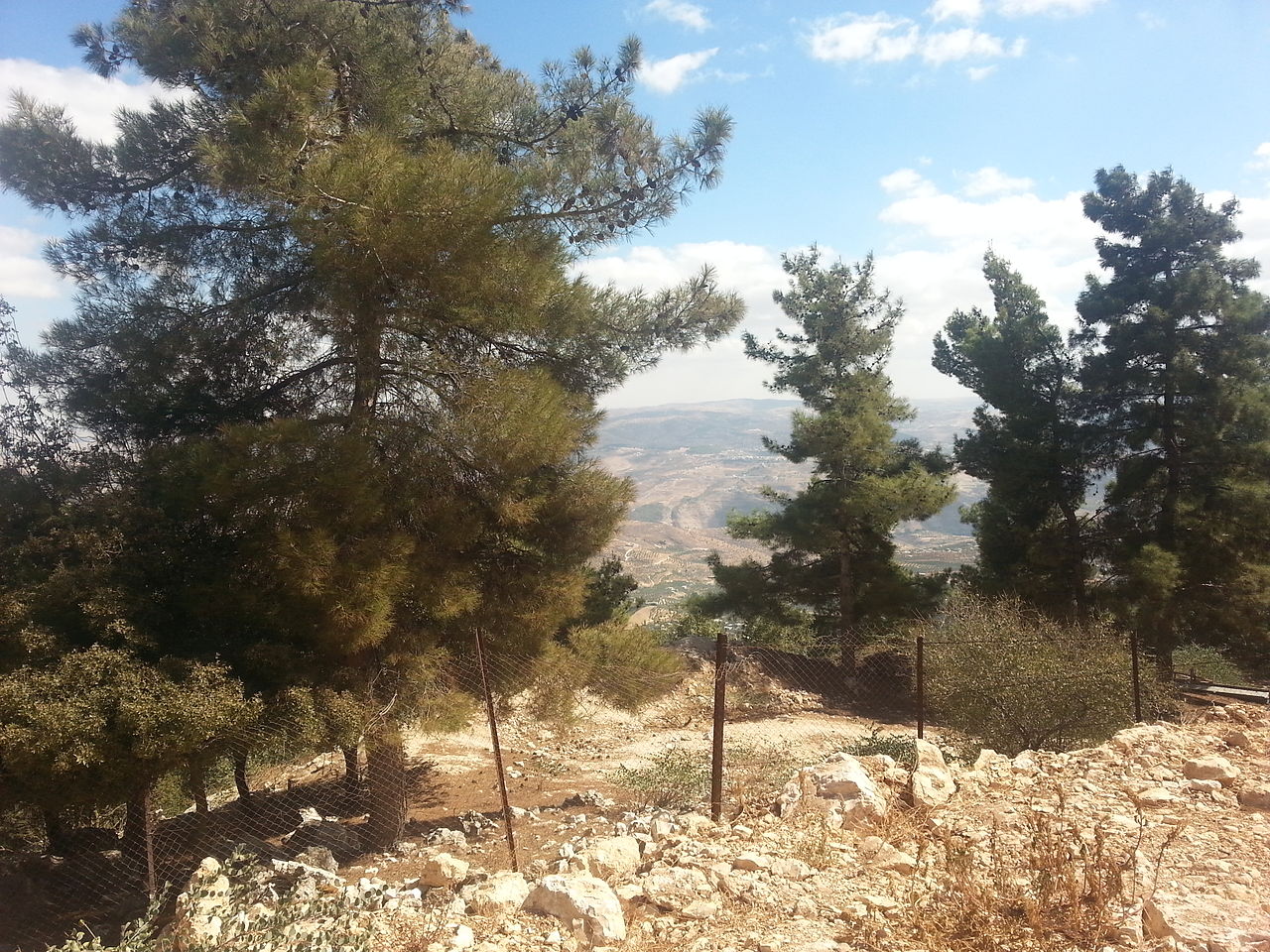 One of the primary attractions of the reserve is its extensive network of hiking trails. There are several marked paths catering to different fitness levels, ranging from gentle scenic walks to rigorous hikes.
- Soap House Trail (2-3 hours): This moderate trail takes you through the heart of the forest. It includes a visit to the Soap House, where you can watch the traditional production of pure olive oil soap, a local specialty.
- Ajloun Castle Trail (3-4 hours): A more strenuous hike that rewards you with spectacular views of the castle and the surrounding valleys. The trail weaves through dense forests and offers plenty of opportunities for bird watching.
- Orjan Village Trail (4-5 hours): This longer trail leads you to the picturesque Orjan Village. Here, you can interact with residents, see ancient olive groves, and enjoy a traditional Jordanian meal hosted by a local family.
Did you know? The Royal Society for the Conservation of Nature (RSCN) manages the Ajloun Nature Reserve, an organization dedicated to preserving Jordan’s biodiversity and promoting sustainable eco-tourism.
Find your adventure in Jordan here.
Eco-Tourism at Ajloun Nature Reserve
The Ajloun Nature Reserve is not just a place for hiking; it is a model of successful eco-tourism. Visitors can stay overnight in eco-friendly cabins and lodges that are designed to have minimal environmental impact. These accommodations are equipped with modern amenities, including private bathrooms and heating, ensuring a comfortable stay.
The Ajloun Cabins are particularly popular with families and couples, offering a serene escape. For a more immersive experience, you can also opt for the Rasoun Forest Campsite.
Tip: Book your stay at the Ajloun Nature Reserve well in advance. The cabins are limited in number and tend to fill up quickly, especially during weekends and the spring season.
Local Crafts and Products
 The reserve is also celebrated for its support of local artisans. A highlight is the production of olive oil soap and traditional calligraphy. Visitors can stop by the Soap House to learn about the soap-making process, which utilizes locally sourced olive oil and natural herbs.
The reserve supports local women through the Biscuit House and the Soap House Cooperative, projects that help generate sustainable income for the community. Make sure to pick up some of these handmade products; they make for unique souvenirs that support the local economy.
Why Visit Ajloun Nature Reserve?
Whether you are an avid hiker, a nature enthusiast, or simply someone looking for a peaceful retreat, the Ajloun Nature Reserve has something to offer. It provides a rare glimpse into Jordan’s lesser-known forested landscapes, making it a must-visit destination for travelers seeking adventure beyond the desert.
Tip: Don't forget to pack a camera and binoculars. Ajloun Nature Reserve is a fantastic spot for birdwatching, with species like the Eurasian Jay and the majestic Bonelli’s Eagle commonly spotted in the skies.
Other landmarks in Ajloun:
- Tell Mar Elias: Believed to be the birthplace of the Prophet Elijah, this site features the ruins of one of the largest Byzantine churches in Jordan.
- Great Ajloun Mosque: An ancient mosque dating back to the Ayyubid and Mamluk periods, featuring a distinctive minaret.
- Holy Spirit Church: A site of religious significance in the area.
- Shrine of Al-Khadir (St. George): A revered site for both Christians and Muslims in the region.