A Curated Guide to the World’s Greatest Icons and Best-Kept Secrets
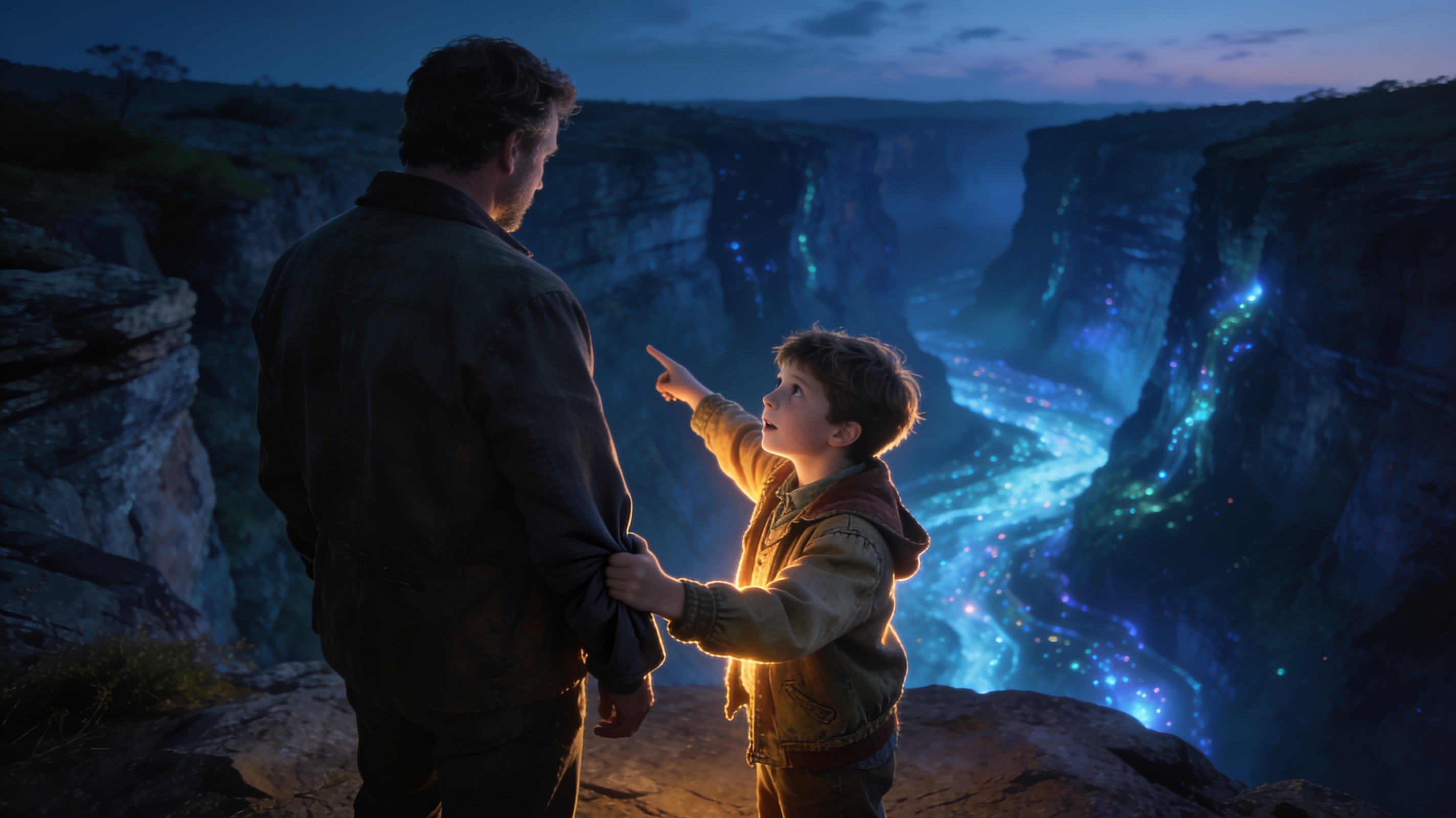 My fascination with the world began with a simple, outstretched finger and a breathless exclamation: "Dad! Look!"
I was just a young boy then, but every corner of our neighborhood was a territory waiting to be charted. That insatiable curiosity was a gift inherited directly from my father. He was a man who greeted the unknown with open arms and possessed a rare courage to seek out new experiences. He did not just tolerate my wild explorations; he actively fueled them.
Now, with a lifetime of journeys behind me, that inner fire has not dimmed in the slightest. I still find myself marveling at the delicate patterns of a leaf or the way morning light hits an unfamiliar cobblestone street. Wanderlust is a beautiful, incurable condition, and I wear it proudly.
Through my years of traveling and writing for i-wish-you-were-here.com, I have crossed countless borders and collected stories that define my existence. Yet, my notebook remains unfinished. I still dream of unpacking my bags in distant lands, settling in, and living like a true local.
The Mediterranean & Southern Europe
Greece Mainland
.jpg "The Iconic Acropolis of Athens") Greece remains a vital cornerstone of Western heritage, where ancient history coexists beautifully alongside rustic, modern life.
Greece remains a vital cornerstone of Western heritage, where ancient history coexists beautifully alongside rustic, modern life.
- The Icon: The Acropolis of Athens. Walking among the towering marble pillars of the Parthenon is a rite of passage for any history lover.
- The Secret: The clifftop monasteries of Meteora. Here, medieval Eastern Orthodox monasteries perch precariously on top of colossal sandstone rock pillars, appearing to float in the morning mist.
- The Culinary Note: Seek out Tavern Klimataria in Athens, a historic spot serving traditional dishes since 1927. Order the slow-cooked lamb with potatoes, which is tender enough to fall off the bone, and pair it with their legendary baked feta. Arrive by 9:00 PM to catch authentic live Greek music.

Interesting Fact: The word Meteora translates to "suspended in the air." Historically, the monks reached these sheer summits using complex rope nets or fold-up wooden ladders. Local legends tell us these ropes were only replaced when the Lord allowed them to break.
Traveler Tip: When visiting the monasteries of Meteora, ensure you dress appropriately. Shoulders and knees must be covered. Most monasteries provide wrap-around skirts or shawls at the entrance for visitors who need them.
Community Voice: "Tavern Klimataria served us the most incredible slow-cooked lamb we have ever tasted. The music starts around nine in the evening, and the atmosphere becomes electric." (Review from TripAdvisor)
Greek Islands
 The Greek islands scatter across the sparkling Aegean, offering sharp contrasts between world-famous views and untouched geological wonders.
- The Icon: The iconic blue-domed churches of Oia in Santorini, backdropped by a dramatic caldera sunset.
- The Secret: Sarakiniko Beach on Milos Island. This spectacular stretch of coastline is made of smooth, bone-white volcanic rock, creating a landscape that looks exactly like the surface of the moon against the brilliant Aegean Sea.

Interesting Fact: The lunar-like white rock formations of Sarakiniko are composed of volcanic ash and pumice. Over thousands of years, strong northern winds and salt water sculpted the stone into deep canyons and smooth crevices.
Traveler Tip: To photograph Sarakiniko without the crowds, make sure to arrive exactly at sunrise. The early morning light turns the white volcanic stone into a glowing, ethereal canvas. Wear robust shoes, as the smooth rock faces can be deceptively slippery.
Community Voice: "Standing on Sarakiniko feels like you have left Earth completely. There are no trees, no sand, just blinding white curves of stone meeting the deepest blue water." (Review from Lonely Planet Forums)
Rhodes
_01.jpg "The Medieval Street of the Knights in Rhodes") Rhodes stands as a fascinating bridge between imposing medieval fortress walls and sleepy, colorful villages.
Rhodes stands as a fascinating bridge between imposing medieval fortress walls and sleepy, colorful villages.
- The Icon: The Street of the Knights in the medieval Old Town of Rhodes, one of the best-preserved Gothic urban landscapes in Europe.
- The Secret: The village of Koskinou. Located just a few miles from the capital, this quiet hamlet features traditional houses painted in vibrant pastel reds, blues, and yellows, adorned with intricate mosaic stone entryways called chochlakia.

Interesting Fact: The chochlakia pebble mosaics found in Koskinou are made using black and white stones collected from local beaches. They depict traditional symbols of prosperity, health, and protection.
Traveler Tip: Take the local public bus from Rhodes Town to Koskinou for a cheap and easy day trip. The ride takes less than twenty minutes, and you will completely bypass the typical cruise ship crowds.
Community Voice: "Koskinou was the absolute highlight of our trip to Rhodes. The colorful entryways are a photographer's dream, and the local tavernas serve some of the freshest, most traditional meze we had in Greece." (Review from Google Maps)
Cyprus
Cyprus occupies a historic cultural crossroads, offering dramatic coastal ruins alongside mountain hamlets preserved in time.
 The Icon: The ancient Roman amphitheater of Kourion, perched high on a cliffside overlooking the sparkling Mediterranean.
- The Secret: The mountain village of Lefkara. This village is world-famous among locals for its exquisite handmade lace, known as Lefkaritika, and its traditional silversmithing. Legend has it that Leonardo da Vinci visited in 1481 to purchase a lace cloth for the main altar of the Milan Cathedral.
_(19_km_west_of_Limassol_on_the_road_to_Paphos)_(4611657414).jpg "The Stone Amphitheater of Ancient Kourion")
Interesting Fact: Lefkara lace is so culturally valuable that it was inscribed on the UNESCO Representative List of the Intangible Cultural Heritage of Humanity. The intricate designs reflect a rich heritage of Venetian and Byzantine influences.

Traveler Tip: Do not hesitate to sit with the local women embroidering outside their shops in Lefkara. They love to explain the mathematical symmetry behind each unique lace pattern.
Community Voice: "Lefkara feels like stepping back into a quieter century. The silver workshops are fascinating, and the lace is incredibly detailed and beautiful." (Review from TripAdvisor)
Croatia
.jpg "Fort Bokar at Night in Dubrovnik") Beyond its famous stone-walled coastal cities, Croatia offers fairytale-like river hamlets deep in its emerald hinterlands.
Beyond its famous stone-walled coastal cities, Croatia offers fairytale-like river hamlets deep in its emerald hinterlands.
- The Icon: Walking the heavy stone ramparts of Dubrovnik's medieval city walls.
- The Secret: The historic village of Rastoke. Often bypassed by tourists rushing to Plitvice Lakes, this fairy-tale hamlet features traditional wooden watermills built directly over rushing, emerald-green waterfalls and rapids.

Interesting Fact: The waterfalls in Rastoke are created by the same geological phenomenon as those in Plitvice Lakes, where travertine barriers precipitate out of the mineral-rich waters over thousands of years.
Traveler Tip: Buy the Dubrovnik Pass online before your arrival. It covers entry to the historic city walls and provides free public transit access. Walk the walls in the late afternoon to experience the golden hour light and avoid the massive midday crowds.
Community Voice: "We stopped in Rastoke for a quick lunch and ended up staying the entire afternoon. The sound of water rushing beneath the wooden cottages is incredibly peaceful." (Review from TripAdvisor)
Italy
 Italy is a magnificent storehouse of Western history, dotted with gravity-defying hilltowns that rise out of deep canyons.
- The Icon: Standing inside the colossal ruins of the Roman Colosseum.
- The Secret: Civita di Bagnoregio, known as "The Dying Town." This striking medieval village sits on a crumbling pinnacle of volcanic tuff clay, accessible only by a long, narrow pedestrian bridge that rises above a dramatic canyon.

Interesting Fact: Civita di Bagnoregio was founded by the Etruscans over twenty-five hundred years ago. It earned its nickname, The Dying Town, because continuous erosion causes the edges of the cliffside to break off and plunge into the valley below.
Traveler Tip: There is a small entrance fee to cross the footbridge into Civita di Bagnoregio. It is highly recommended to buy your ticket online in advance during the peak summer months to avoid long lines at the bridgehead.
Community Voice: "Civita di Bagnoregio is absolutely breathtaking. Walking across the high footbridge feels like stepping back into the Renaissance. It is quiet, beautifully preserved, and has incredible views of the canyons." (Review from Google Maps)
The Distinct Regions of France
Paris
 The Icon: Ascending the iron lattice of the Eiffel Tower for an unparalleled view across the Seine.
- The Secret: The Passages Couverts. These nineteenth-century glass-roofed shopping arcades, such as Passage des Panoramas, are hidden behind unassuming doorways, offering a nostalgic look at Belle Époque Paris.
- The Culinary Note: Snag a reservation at Chez l’Ami Jean in Paris. Chef Stéphane Jégo is famous for his legendary, table-side poured creamy Parmesan soup—topped with dried onion, bacon, and crunchy croutons—and his massive, communal bowls of decadent Basque rice pudding served with salted caramel and caramelized pecans.


Interesting Fact: Built in 1799, the Passage des Panoramas was the first public space in Paris to be illuminated by gas lighting in 1817. This structural innovation helped cement Paris's historic reputation as the City of Light.
Traveler Tip: Plan to visit the Passages Couverts on a damp or rainy afternoon. The historic arcades provide a dry, cozy sanctuary filled with vintage book dealers, stamp collectors, and quaint tearooms.
Community Voice: "Strolling through the Passage des Panoramas feels like escaping the modern rush. It is a stunning time capsule of nineteenth-century elegance." (Review from TripAdvisor)
Provence
 The Icon: The endless lavender fields of the Valensole Plateau, which bloom in vibrant shades of purple every summer.
- The Secret: Gorges du Verdon. This massive, emerald-green river canyon is often called the Grand Canyon of Europe, offering travelers breathtaking cliffs and quiet hiking trails far from the tourist crowds.


Interesting Fact: Lavender was historically harvested entirely by hand using sickles. While automatic harvesters are common today, fine essential oil makers in Provence still utilize hand-harvesting to preserve the potency of the flower buds.
Traveler Tip: The purple blooms of Valensole are at their peak from late June to mid-July. Aim for late afternoon drives when the sunset illuminates the rows of lavender, casting a beautiful golden glow over the fields.
Community Voice: "Standing in the middle of a blooming purple field in Valensole is an absolute sensory overload. The smell of lavender and the gentle hum of bees is pure magic." (Review from Lonely Planet Forums)
French Riviera
 The Icon: Strolling along the grand Promenade des Anglais in Nice, looking out at the turquoise waters of the Baie des Anges.
- The Secret: The medieval fortress village of Èze, perched more than four hundred meters above the Mediterranean Sea. The quiet stone pathways lead to a spectacular exotic garden with panoramic ocean views.


Interesting Fact: The Jardin Botanique d'Eze, sitting on the ruins of an ancient fortress at the very top of the cliffs, houses an extensive, rare collection of cacti and succulents imported from around the globe.
Traveler Tip: The famous Nietzsche Path connects Eze Village with Eze-sur-Mer. It is a steep, rocky path that requires solid footwear. Keep an eye out for the ocean vistas that inspired the philosopher's writing.
Community Voice: "The views from the exotic garden at the top of Eze are worth the steep climb. You can see the entire coastline stretching out below you." (Review from Google Maps)
Normandy
 The Icon: The majestic island gravity of Mont Saint-Michel rising out of the sweeping coastal tides.
- The Secret: The towering white chalk cliffs of Étretat. While famous, the quiet coastal hiking paths along the cliff edges lead to secluded pebble beaches accessible only during low tide.


Interesting Fact: The bay of Mont Saint-Michel experiences some of the most dramatic tides in continental Europe. The water rises up to fourteen meters and flows inward with extreme speed, historically compared to a galloping horse.
Traveler Tip: Never walk onto the tidal flats around Mont Saint-Michel without a professional guide. The combination of fast tides and hidden patches of deep wet quicksand presents a genuine hazard.
Community Voice: "Walking through the narrow medieval streets of Mont Saint-Michel after dark, once the day tourists leave, is an incredibly atmospheric experience." (Review from TripAdvisor)
Western & Northern Europe
Norway
Norway represents a spectacular, glacier-carved playground where sheer rock faces dive straight into dark ocean waters.

- The Icon: Cruising through the deep, steep-walled waters of the Geirangerfjord.
- The Secret: The remote, jagged archipelago of the Lofoten Islands, specifically the quiet fishing village of Reine, where red wooden cabins sit beneath towering granite peaks.

Interesting Fact: The iconic red cabins of Lofoten are called rorbuer. Historically, they were built on stilts over the water to serve as basic seasonal housing for poor fishermen during the intense winter cod-fishing season.
Traveler Tip: To get the ultimate view of Reine, tackle the Reinebringen trail. Nepalese Sherpas built over fifteen hundred stone steps to make the path safer. It remains a very steep and challenging climb, so pack windproof layers and plenty of water.
Community Voice: "Reine is the most picturesque place in Norway. Staying in a restored rorbu and watching the midnight sun color the mountains pink was unforgettable." (Review from TripAdvisor)
Sweden
Sweden blends medieval Scandinavian charm with pure, pristine environments perfect for observing cosmic wonders.

- The Icon: Strolling through Gamla Stan, Stockholm’s beautifully preserved seventeenth-century old town.
- The Secret: Abisko National Park in Swedish Lapland. Located far above the Arctic Circle, this is one of the premier spots on Earth to view the northern lights, thanks to a unique microclimate that keeps the skies exceptionally clear.
.jpg)
Interesting Fact: Abisko features a unique phenomenon known as the Blue Hole. Strong prevailing winds push clouds away from the valley over Lake Tornetrask, creating a patch of clear sky even when the surrounding areas are completely overcast.
Traveler Tip: Take the chairlift up to the Aurora Sky Station in Abisko. The elevated position offers an unobstructed, 360-degree view of the Arctic sky, far away from any light pollution.
Community Voice: "Abisko National Park is magical. We saw the Northern Lights dancing overhead on our first night. The legendary blue hole effect is real, keeping the sky clear even when nearby towns are completely overcast." (Review from AllTrails)
Finland
Finland offers a snowy, magical playground alongside deep wilderness lakes and deeply restorative local customs.

- The Icon: Meeting the festive residents of the Santa Claus Village in snowy Rovaniemi.
- The Secret: Koli National Park. This pristine wilderness overlooks Lake Pielinen and offers dramatic vistas that have inspired Finnish artists for generations. Try a traditional wood-fired smoke sauna on the lake’s edge for a true local experience.
.jpg)
Interesting Fact: A traditional Finnish smoke sauna has no chimney. Wood is burned in a large stove for hours, filling the room with rich smoke. The room is cleared of smoke before bathers enter, leaving a deep, soft, and fragrant heat known as loyly.
Traveler Tip: In Finland, it is customary to alternate between the intense heat of the sauna and a refreshing plunge directly into the cold lake water, or even a roll in the snow during winter.
Community Voice: "The view from Ukko-Koli peak in Koli National Park is majestic. Looking out over the frozen lake dotted with islands makes you understand why this landscape inspired so much classical Finnish music." (Review from Google Maps)
North & South America
Alaska
Alaska's vast landscape features massive glaciers calving into pristine waters and quiet, abandoned industrial history.
.jpg)
- The Icon: Watching massive glaciers calve directly into the sea at Glacier Bay National Park.
- The Secret: The historic ghost town of Kennecott, nestled deep within Wrangell-St. Elias National Park. This abandoned, red-painted copper mining camp stands as a silent monument to the early twentieth-century frontier era, surrounded by massive ice fields.

Interesting Fact: Kennecott was once the source of some of the richest copper deposits ever discovered. Between 1911 and 1938, the mines processed over two hundred million dollars worth of copper ore before abruptly closing when the deposits ran dry.
Traveler Tip: Book a guided tour of the fourteen-story Kennecott concentration mill. Access inside the structure is restricted to guided groups for safety, and walking through the historic machinery is an incredible engineering lesson.
Community Voice: "Kennecott is a hidden jewel in Alaska. Walking through the abandoned town with giant glaciers framing the background feels like a movie set." (Review from TripAdvisor)
Belize
Belize features legendary oceanic sinkholes alongside deep subterranean chambers containing ancient Mayan history.

- The Icon: Snorkeling or flying over the deep, indigo waters of the Great Blue Hole.
- The Secret: The Actun Tunichil Muknal (ATM) Cave. This Mayan burial site requires you to swim through subterranean river chambers to view ancient pottery and crystallized skeletal remains fused to the limestone floor.

Interesting Fact: The most famous skeleton in the ATM Cave is known as the Crystal Maiden, the remains of a young sacrificial victim whose bones have been completely covered by sparkling calcite crystals over the centuries.
Traveler Tip: Cameras are strictly banned inside the ATM Cave to prevent accidental damage to the fragile artifacts. Be prepared to swim in deep water and climb over wet rocks in your socks.
Community Voice: "The ATM Cave is incredible, but you must be physically prepared. You swim, wade through water, and squeeze through tight limestone crevices. Seeing the ancient Crystal Maiden skeleton up close is incredibly humbling." (Review from Yelp)
Brazil
Brazil balances vibrant, beachside metropolis energy with pristine, untouched sand dune reserves.

- The Icon: Standing beneath the outstretched arms of Christ the Redeemer on Corcovado Mountain.
- The Secret: Jalapão State Park. This remote savanna region is a paradise of towering golden sand dunes, dramatic orange canyons, and crystalline turquoise spring pools called fervedouros where the water pressure prevents you from sinking.

Interesting Fact: In Jalapao's fervedouros, water from subterranean rivers gushes through sand at high pressure. This creates a natural quicksand flotation phenomenon. You simply float effortlessly on the surface, making it physically impossible to sink.
Traveler Tip: Due to the incredibly soft sand roads, you can only access Jalapao with a high-clearance four-wheel-drive vehicle. It is highly recommended to hire a local guide who knows the shifting terrain.
Community Voice: "Swimming in a fervedouro is one of the strangest and most wonderful experiences of my life. No matter how hard you try, you cannot push yourself to the bottom." (Review from Google Maps)
Chile
Chile stretches along the South American coast, presenting rugged Patagonian towers and high-altitude, salt-crusted deserts.

- The Icon: The massive, jagged granite peaks of Torres del Paine National Park in Patagonia.
- The Secret: Valle de la Luna (Valley of the Moon) in the Atacama Desert. Hike through the salt-crusted caverns of the Cordillera de la Sal at sunset, when the landscape glows in deep shades of purple and gold.

Interesting Fact: The dry environment of the Atacama Desert is so similar to the terrain of Mars that scientists from NASA and other space agencies routinely use the landscape to test Mars rover prototypes.
Traveler Tip: Temperatures drop sharply in the Atacama Desert as soon as the sun sets. Pack a warm fleece and a windproof shell for the sunset hike, and carry plenty of lip balm and water to combat the extreme arid climate.
Community Voice: "The Valley of the Moon sunset was unreal. The colors shift from orange to purple, and the silence of the desert is deafening." (Review from TripAdvisor)
North Africa & The Middle East
Morocco
 Morocco is a sensory adventure, transitioning from energetic historic market squares to peaceful blue-washed mountain towns.
- The Icon: Getting lost in the lively, labyrinthine souks of Marrakech.
- The Secret: The mountain town of Chefchaouen. Tucked away in the Rif Mountains, almost every building, alleyway, and doorway in this town is painted in rich shades of sky-blue, creating a surreal and tranquil atmosphere.

Interesting Fact: There are several theories as to why Chefchaouen was painted blue. Some believe it was introduced by Jewish refugees who saw blue as a symbol of heaven, while others suggest the color acts as a natural mosquito repellent.
Traveler Tip: Avoid visiting Chefchaouen during the midday peak when tour buses arrive from Fes. Stay overnight to experience the peaceful, quiet town after the day-trippers leave.
Community Voice: "Chefchaouen is absolutely stunning, but avoid sticking solely to the main tourist path. Wander deeper into the residential alleys of the old medina where kids play and families live to feel the true heart of the town." (Review from Lonely Planet Forums)
United Arab Emirates
The Emirates represent a playground of record-breaking skyline architecture and rugged mountain escapes.

- The Icon: Standing at the base of the Burj Khalifa in Dubai, the tallest building in the world, which rises more than eight hundred and twenty-eight meters into the desert sky.
- The Secret: The mountain enclave of Hatta. Tucked deep within the rugged Hajar Mountains, this high-altitude retreat allows you to kayak across the peaceful, turquoise reservoir of the Hatta Dam or hike past ancient stone dwellings at the Hatta Heritage Village.

Interesting Fact: The Hatta Heritage Village features restored traditional houses and defensive towers constructed from mud, palm tree trunks, and mountain stones, offering a glimpse into life before the modern oil boom.
Traveler Tip: Rent a kayak at Hatta Dam for an incredible view of the sharp mountain ridges reflecting in the turquoise water. For the most comfortable experience, visit between October and April to avoid the extreme summer heat.
Community Voice: "Hatta is a wonderful escape from the glass and steel of Dubai. Kayaking on the dam surrounded by jagged peaks was incredibly peaceful." (Review from Google Maps)
Eastern Europe & Western Asia
Moscow

- The Icon: Saint Basil’s Cathedral in the heart of Red Square, with its surreal, candy-colored onion domes.
- The Secret: The subterranean palaces of the Moscow Metro. Stations like Komsomolskaya and Mayakovskaya feature grand marble columns, intricate mosaic ceilings, and bronze statues, making a simple subway ride feel like a museum tour.
Azerbaijan

- The Icon: The Flame Towers of Baku. These three majestic, LED-covered skyscrapers mimic flicking fire over the Caspian Sea, celebrating Azerbaijan's ancient identity as the "Land of Fire."
- The Secret: The remote high-altitude village of Khinalug (or Xinaliq), perched at over two thousand three hundred meters in the Greater Caucasus. Its stone houses are uniquely stacked on top of one another like steps, where the roof of one home serves as the front courtyard for the next. The residents still speak their own distinct, isolated language and practice ancient transhumance migration routes.
.jpg)
Interesting Fact: Khinalug is one of the oldest continuously inhabited mountain villages on Earth, dating back five thousand years. Because of its intense isolation, residents speak their own unique language called Ketsh, which is spoken nowhere else on Earth.
Traveler Tip: The road to Khinalug is steep and winding. Hire an experienced local driver with a sturdy four-wheel-drive vehicle from Guba rather than trying to drive a standard rental car up the mountain pass yourself.
Community Voice: "Khinalug is a raw, unforgettable place. The stone-stacked houses look like they grow straight out of the mountain cliffs, and the local hospitality is incredibly warm." (Review from TripAdvisor)
Asia & The Pacific
China
 The Icon: Walking along the paved battlements of the Great Wall at Mutianyu, flanked by lush green forests.
- The Secret: The Jiankou section of the Great Wall. This completely unrestored, "wild" stretch of the wall hugs precarious mountain ridges, offering adventurous hikers a raw look at the original stone battlements reclaimed by nature.
.jpg)
Philippines
The Philippines offers stunning tropical coastlines alongside deep mountain pine forests containing unique cultural practices.

- The Icon: Kayaking through the towering, limestone-walled lagoons of El Nido in Palawan.
- The Secret: The remote mountain village of Sagada on Luzon Island, famous for its ancient "hanging coffins" suspended high on sheer limestone cliffs, and its cool pine forests.
Interesting Fact: The Igorot people of Sagada have practiced the hanging coffin ritual for over two thousand years. They believe that placing the dead higher up on the cliff faces brings them closer to ancestral spirits.
Traveler Tip: You must book a local guide from the Sagada tourist information office to visit the hanging coffins. This ensures visitor safety and honors the local Igorot community's sacred burial customs. Wear durable hiking shoes with good traction.
Indonesia

Indonesia offers a spectacular mix of ancient monumental spirituality and raw, glowing volcanic forces.
- The Icon: Watching the sunrise over the ancient, multi-tiered Buddhist temple of Borobudur.
- The Secret: Mount Ijen in East Java. Hike the volcanic crater at night to witness the surreal "blue fire," which is a phenomenon caused by ignited sulfuric gas that burns with an eerie, electric-blue glow in the dark.
Interesting Fact: The blue fire of Mount Ijen is not actual lava. It is the result of high-pressure, hot sulfuric gases escaping from cracks in the volcano and combusting immediately upon contact with the oxygen-rich air.
Traveler Tip: Rent a high-quality respirator mask at the trailhead of Mount Ijen. The sulfur fumes inside the crater are incredibly strong and can easily irritate your lungs and eyes without protection.
Japan
 Japan strikes a perfect balance between iconic snowy peaks, historic footpaths, and cozy alleyway dining spots.
- The Icon: Looking out over the snow-capped peak of Mount Fuji from the shores of Lake Kawaguchiko.
- The Secret: The Nakasendo Trail. Walk the ancient stone pathways that connected Kyoto and Edo during the samurai era, stopping in beautifully preserved post-towns like Magome and Tsumago.

- The Culinary Note: For an authentic evening, duck into a tiny alleyway izakaya (Japanese pub) in Tokyo's Omoide Yokocho. Order a cold nama-biru (draft beer) and a platter of charcoal-grilled yakitori chicken skewers seasoned with simple sea salt.
Interesting Fact: The Nakasendo Trail was one of the five major highways maintained by the Tokugawa shogunate in the seventeenth century. Unlike the coastal Tokaido, travelers on this route did not have to cross major rivers, making it highly popular for high-profile travelers and noblewomen who preferred to avoid ferry crossings.
Traveler Tip: You can arrange for a baggage forwarding service between Magome and Tsumago. This allows you to hike the scenic mountain trail carrying only a light daypack while your heavy bags are delivered directly to your next guesthouse.
Korea
 Korea matches sprawling capital palaces with pristine provincial capitals that act as outdoor historical museums.
- The Icon: Exploring the sprawling courtyard of Gyeongbokgung Palace in Seoul while wearing a traditional hanbok.
- The Secret: Gyeongju, the ancient capital of the Silla Kingdom. Known as the "museum without walls," this city is filled with massive, grassy royal burial mounds and the stunning, illuminated Wolji Pond, which comes alive at night.
Interesting Fact: The grassy mounds in Gyeongju, known as tumuli, contain the remains of Silla kings and nobles. Excavations of these royal tombs have revealed priceless golden crowns, jewelry, and ornate pottery.
Traveler Tip: Rent a traditional Hanbok from the nearby shops surrounding Gyeongbokgung Palace in Seoul. Visitors wearing a Hanbok receive free admission to the palace grounds. It is a fantastic way to capture memorable photos while engaging with local customs.
Community Voice: "Gyeongju at night is stunning. Wolji Pond reflects the illuminated traditional pavilions perfectly, making it a peaceful spot for an evening walk." (Review from TripAdvisor)
Australia
 Australia boasts spectacular underwater ecosystems alongside prehistoric rainforests that spill right onto the sand.
- The Icon: Snorkeling among the colorful coral gardens of the Great Barrier Reef.
- The Secret: The ancient Daintree Rainforest, where prehistoric ferns and rare cassowaries meet the ocean at Cape Tribulation. It is the only place on Earth where two distinct World Heritage sites sit side-by-side.
_(9440811465).jpg)
Interesting Fact: The Daintree Rainforest is estimated to be over one hundred and eighty million years old, making it the oldest continuously surviving tropical rainforest in the entire world.
Traveler Tip: Keep a sharp eye out for cassowaries when driving through the Daintree. These large, endangered, flightless birds are vital to the rainforest ecosystem, but they should never be approached or fed.
Community Voice: "Cape Tribulation is completely wild. Standing on a remote beach where prehistoric green rainforest meets the sand, knowing the Great Barrier Reef starts right offshore, is a feeling I will never forget." (Review from Lonely Planet Forums)
New Zealand
New Zealand features highly active geothermal landscapes and deep, isolating fjords of immense raw beauty.
.jpg)
- The Icon: Exploring the geothermal mud pools and geysers of Rotorua.
- The Secret: Doubtful Sound. While Milford Sound draws massive crowds, this deep, pristine fjord is three times larger, ten times quieter, and offers a profound sense of isolation and raw natural beauty.
Interesting Fact: Doubtful Sound features deep-water emergence. High rainfall creates a permanent freshwater layer on top of the saltwater, stained dark brown by forest runoff. This dark layer blocks sunlight from penetrating deeply, allowing deep-sea black coral species to grow in shallow waters.
Traveler Tip: Because Doubtful Sound is so remote, reaching it requires a boat cruise across Lake Manapouri, followed by a bus ride over Wilmot Pass. Booking an overnight cruise is the best way to experience the absolute silence of the fjord.
Bora Bora
 Bora Bora features pristine, world-famous overwater bungalows alongside challenging, panoramic volcanic ridges.
- The Icon: Staying in a luxury overwater bungalow perched above a turquoise lagoon.
- The Secret: Hiking the trail to the summit of Mount Pahia. The route is steep and challenging, but it rewards you with an unmatched view of the entire island and its surrounding barrier reef.
Interesting Fact: Mount Pahia is one of the two twin volcanic peaks of Mount Otemanu, the remains of an extinct volcano that formed the island of Bora Bora over seven million years ago.
Traveler Tip: The Mount Pahia hike is highly demanding, requiring steep scrambles over tree roots and ropes. Never attempt this hike in wet weather, as the trails become muddy and slick. Hiring a local guide is highly recommended to ensure you navigate the route safely.
The map is wide open, and the list is long. Every destination represents a promise to keep exploring, to keep learning, and to never let go of that childhood sense of wonder.
Do you have a special place on your bucket list that you think should be on mine? I want to hear about it. Head over to our community page on https://www.facebook.com/bwzain and share your ultimate travel destinations with me!