Discover Massachusetts: A Traveler’s Guide
 Massachusetts is one of the most historically rich and diverse states in the country. It’s the birthplace of the American Revolution, a leader in education and innovation, and a state where scenic coastlines meet vibrant cities. Whether you’re walking the cobblestone streets of Boston, sailing off the shores of Martha’s Vineyard, or enjoying a museum afternoon, there’s something for every kind of traveler.
A Glimpse of History
Massachusetts was one of the original 13 colonies. The Pilgrims landed in Plymouth in 1620, and Boston became a key site during the American Revolution. The Boston Tea Party, Paul Revere’s ride, and the Battle of Bunker Hill all happened here. Today, history is woven into daily life—museums, landmarks, and historic sites are easily accessible for exploration.
Boston: The Heart of Massachusetts
Boston, the state capital, is where most visitors start their journey. It’s a city of neighborhoods, each with its own personality. Walkable and full of green spaces, Boston blends old-world charm with modern life.
Read the Boston Travel Guide here.
Boston at a Glance
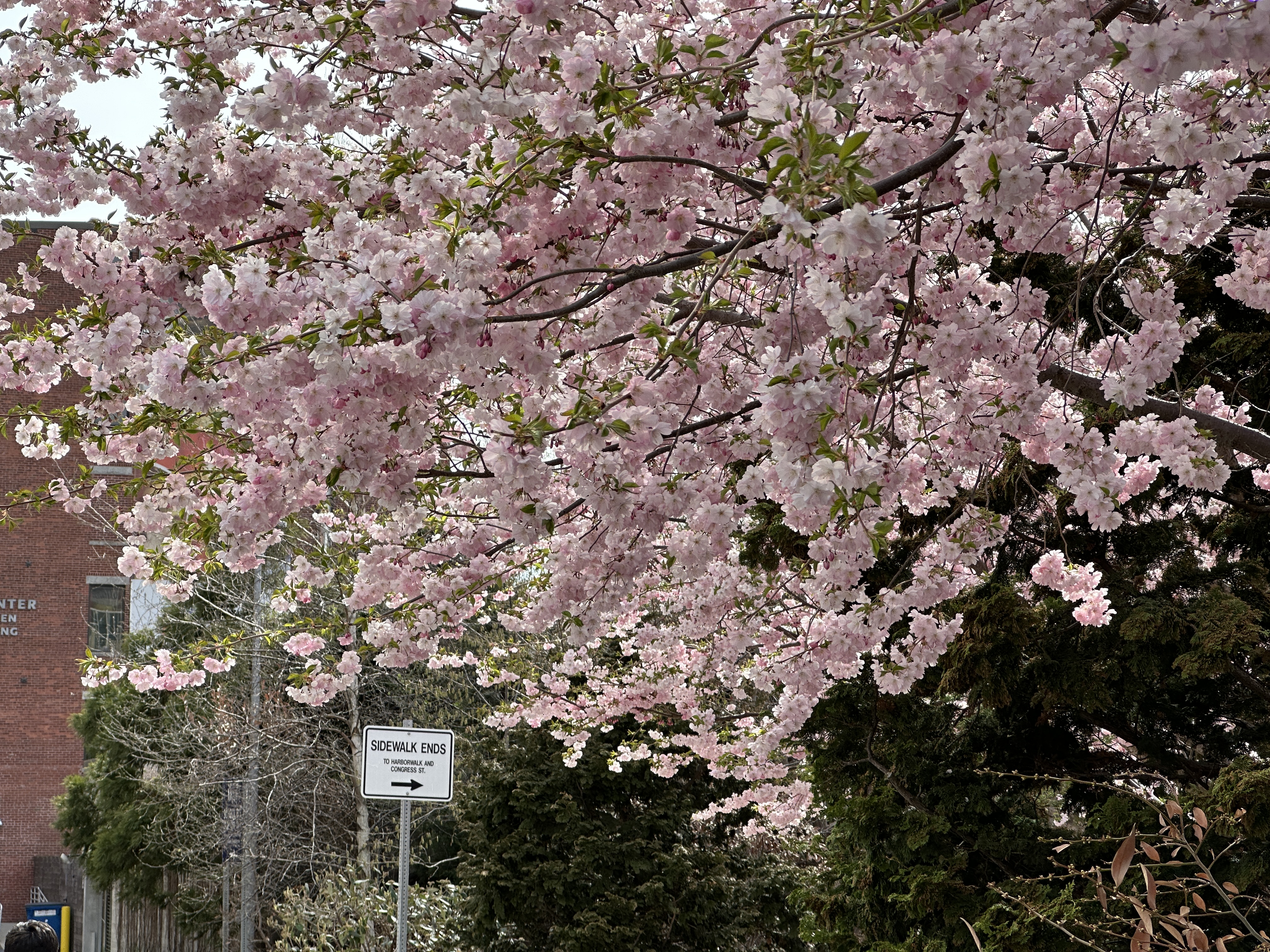 Boston is a compact, historic city where American independence began. It’s a mix of old and new, where cobblestone streets lead to modern skyscrapers. Must-see sites include the Boston Common and Public Garden, the Museum of Fine Arts, and the Boston Tea Party Ships and Museum. The city’s past is easy to explore on foot, especially along the Freedom Trail, which links 16 historical landmarks.
Traveler Tip: Boston is very walkable, but you can also use the MBTA subway system, known as “the T.” It’s reliable and budget-friendly.
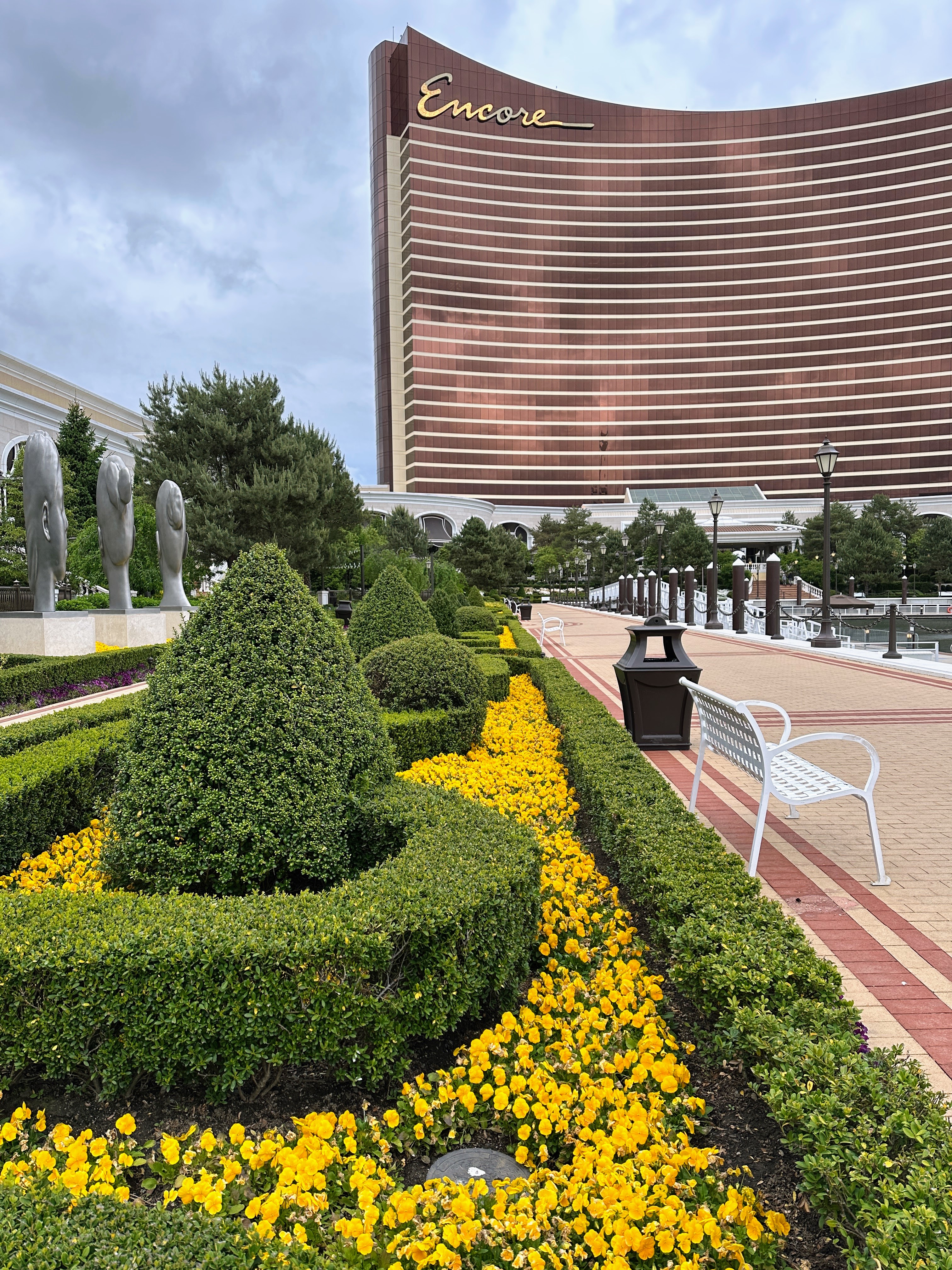 Families enjoy the Boston Museum of Science, the New England Aquarium, and outdoor spots like the Charles River Esplanade or Spectacle Island. The View Boston observation deck gives sweeping views of the skyline. For those who love books and architecture, the Boston Athenæum and Boston Public Library offer beauty and quiet reflection. Food lovers can sample seafood and Italian pastries in the North End or join a food and history tour.
Traveler Tip: Best Times to Visit are Spring and fall. Summers can be busy but fun, especially along the coast. Winters are cold but have their own charm. Always wear layers to accommodate changing weather.
Boston’s waterfront is busy year-round, with harbor cruises and events in the Seaport District. Getting around is simple thanks to the city’s walkability and public transit system. It's a city that rewards slow exploration, with hidden gems tucked between iconic landmarks.
Read the Boston Travel Guide here.
Nearby Neighborhoods
Cambridge
.JPG "Boston Ma Harvard Tour (3)") Across the Charles River, Cambridge is home to Harvard and the Massachusetts Institute of Technology (MIT). Harvard Square buzzes with bookstores, street performers, and coffee shops.
Across the Charles River, Cambridge is home to Harvard and the Massachusetts Institute of Technology (MIT). Harvard Square buzzes with bookstores, street performers, and coffee shops.
Try to catch a student-led Harvard Tour, visit the Harvard Art Museums, or walk along the Charles River Esplanade. The MIT Museum showcases robotics and inventions. Cambridge has a younger crowd and international dining options, especially around Central Square and Porter Square.
Interesting Fact: Massachusetts has the highest percentage of residents with college degrees in the U.S.
Somerville
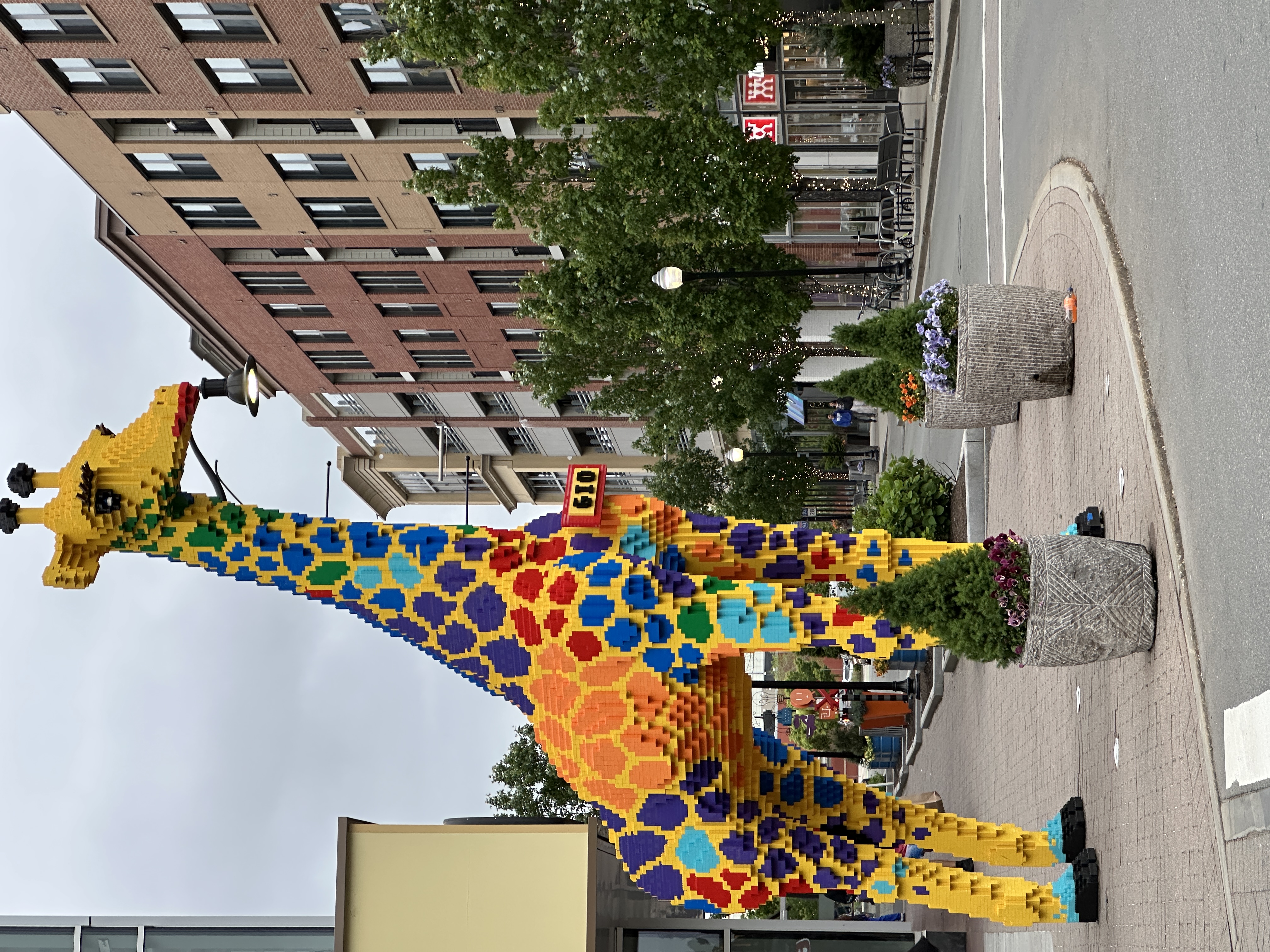 Just north of Cambridge, Somerville is a creative and energetic city. Davis Square is known for live music, indie cinemas, and local restaurants. In Union Square, you’ll find a growing arts scene and unique shops.
During the summer, Somerville hosts festivals such as ArtBeat and PorchFest. The new Green Line Extension makes getting here easier than ever from Boston.
The Assembly Row is an open-air shopping plaza featuring outlet stores, unique shops, AMC theaters, and upscale dining options.
Everett
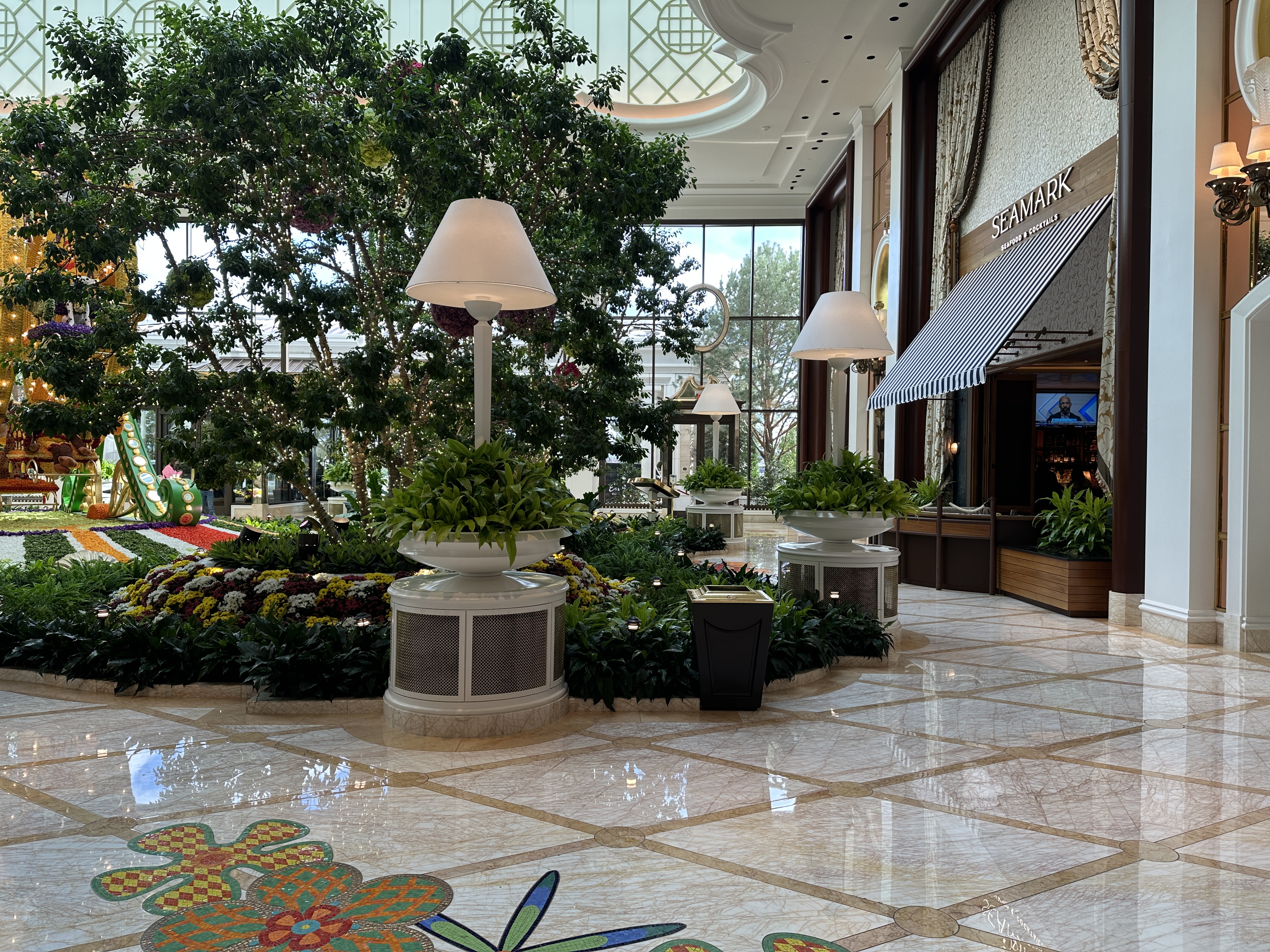 Everett sits along the Mystic River and is undergoing rapid change. Its most notable destination is the Encore Boston Harbor resort and casino, which also features public gardens and waterfront views. The city boasts a vibrant Italian-American community featuring excellent bakeries and family-run restaurants. It’s a quieter option near Boston with growing appeal.
Forest Hills and the Arnold Arboretum
Located in Boston’s Jamaica Plain neighborhood, Forest Hills is a peaceful residential area known for its greenery and access to one of the city’s most beautiful natural escapes—the Arnold Arboretum of Harvard University. The area is easily accessible by the Forest Hills stop on the MBTA Orange Line, making it a convenient destination for locals and visitors alike.
Arnold Arboretum
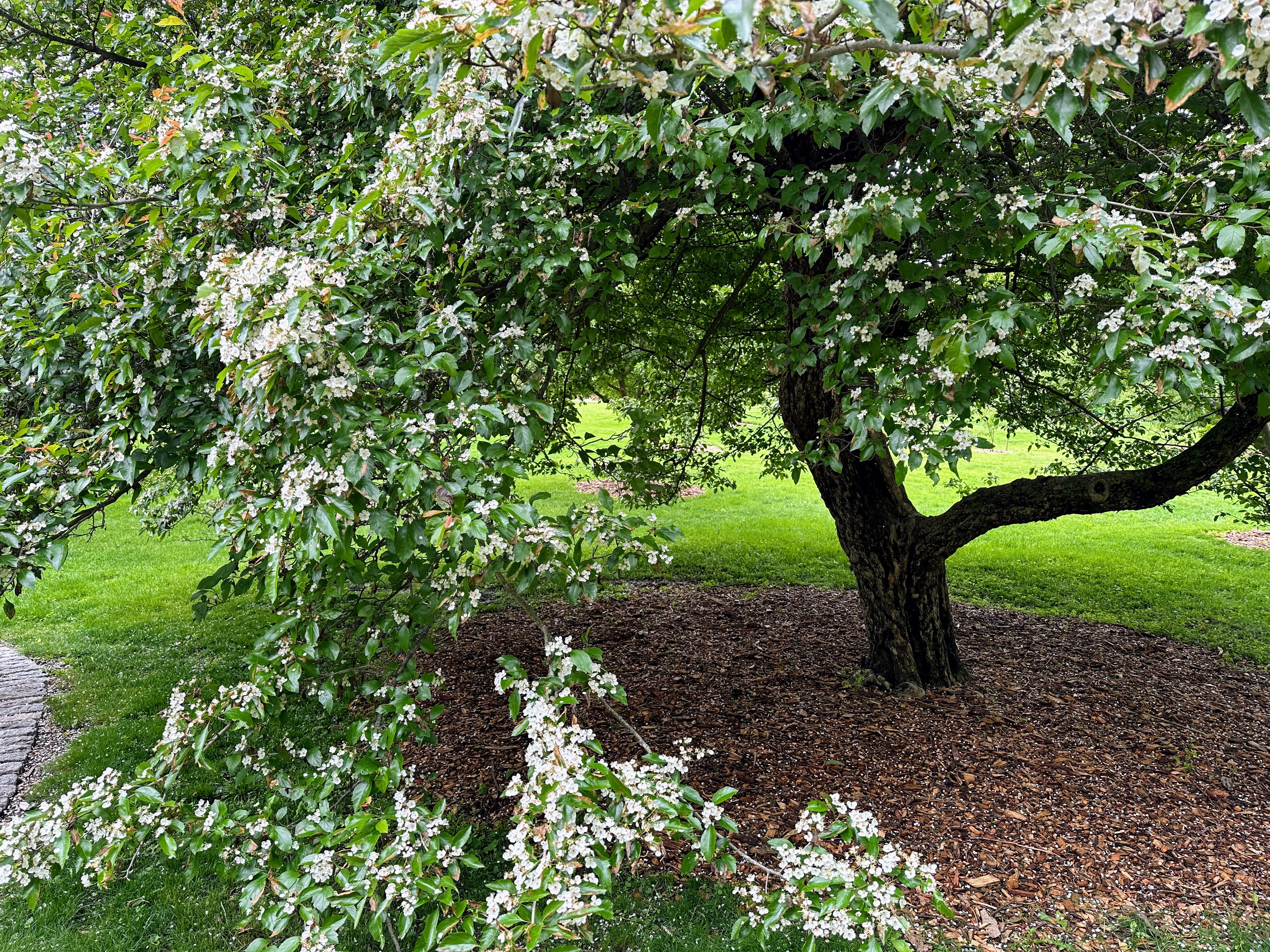 The Arnold Arboretum of Harvard University is a 281-acre public park and botanical research center located in Boston's Jamaica Plain neighborhood. Established in 1872, it is one of the oldest arboretums in North America and is free and open to the public year-round. The Arboretum features over 16,000 trees and plants from around the world, all carefully labeled and arranged for both scientific study and public enjoyment.
Visitors can walk miles of paths through landscaped collections of lilacs, conifers, maples, and flowering trees.
Regional Destinations
Salem
 About 40 minutes from Boston by car or commuter rail, Salem is best known for its infamous 1692 witch trials, a tragic chapter in colonial history that still shapes the town’s identity today. Visitors can explore this past at the Salem Witch Museum, where exhibits explain the hysteria and court proceedings that led to the execution of 20 people. Another key site is the Witch House, the former home of Judge Jonathan Corwin, the only structure still standing in Salem with direct ties to the trials.
Salem embraces its haunted reputation with year-round ghost tours and spooky attractions, especially in October when the town becomes a Halloween hub. The month-long Haunted Happenings festival draws thousands of visitors with parades, costume contests, psychic fairs, and night tours.
But Salem is not all about witches and ghosts. The city has a deep maritime history that once made it one of the most important seaports in early America. The Salem Maritime National Historic Site preserves this heritage with historic buildings, tall ships, and wharves along the waterfront.
Art lovers can visit the Peabody Essex Museum (PEM), one of the oldest continuously operating museums in the country. It features a world-class collection of Asian, African, and maritime art, along with a restored 200-year-old Chinese house, the Yin Yu Tang.
Downtown Salem is easy to explore on foot, with cobblestone streets lined with independent shops, cafes, and historic homes. The city offers a mix of old and new, where colonial architecture meets lively street life. It’s a great day trip from Boston for families, history buffs, or anyone curious about New England’s unique cultural layers.
Plymouth
Plymouth is one of the most historically significant towns in the United States. Located about an hour south of Boston, this coastal community is famously known as the landing site of the Pilgrims in 1620 and the location of one of the earliest permanent English settlements in North America.
 The town’s most iconic landmark is Plymouth Rock, a symbol of the Pilgrims’ arrival. While the rock itself is modest in size, it holds deep meaning and draws visitors year-round. Nearby, the Mayflower II, a full-scale replica of the original ship that brought the Pilgrims across the Atlantic, is docked at the town’s historic harbor. You can tour the ship and hear from costumed interpreters who explain what life was like aboard during the 66-day voyage.
One of the main attractions in Plymouth is the Plimoth Patuxet Museums, a living history complex that brings the early 1600s to life. It includes a recreated 17th-century English village, where interpreters in period dress take on the roles of actual Pilgrims, and a Wampanoag homesite, where members of the Native Wampanoag Nation share their culture and history from their own perspective. It’s one of the few places in the country where you can learn directly from Native educators on land their ancestors called home.
Beyond the history, Plymouth offers a charming waterfront district with walking paths, parks, and scenic ocean views. The historic downtown is filled with colonial architecture, local shops, and seafood restaurants serving fresh clams, lobster rolls, and chowder. The town also has art galleries, breweries, and a growing number of small museums and cultural centers.
For outdoor enthusiasts, Plymouth offers beaches, whale-watching tours, and wooded trails, especially in nearby Myles Standish State Forest, one of the largest publicly owned recreation areas in the state. Whether you're interested in history, nature, or coastal New England charm, Plymouth makes for a rich and rewarding visit.
Springfield
 Located in western Massachusetts, about 90 minutes from Boston, Springfield is the state’s third-largest city and a hub of culture, history, and innovation. Nestled along the Connecticut River, Springfield has a rich industrial past and is known for several famous “firsts,” including the invention of basketball.
The city's most iconic attraction is the Naismith Memorial Basketball Hall of Fame, a modern, basketball-shaped building that honors the sport’s greatest players, coaches, and contributors. Invented in Springfield in 1891 by Dr. James Naismith, basketball has deep roots here, and the museum features interactive exhibits, memorabilia, and a full-size court where visitors can shoot hoops.
Another major draw for families is the Springfield Museums campus, a collection of five museums clustered around the picturesque Dr. Seuss National Memorial Sculpture Garden. The museums cover art, history, science, and children’s activities. The Amazing World of Dr. Seuss Museum, in particular, celebrates the life and work of Springfield native Theodor Geisel, better known as Dr. Seuss, with colorful exhibits, storybook rooms, and hands-on learning.
The Springfield Science Museum features a planetarium and natural history exhibits, while the George Walter Vincent Smith Art Museum showcases Asian art and decorative arts. There’s also a Dinosaur Hall and rotating science exhibits that keep kids engaged and curious.
Downtown Springfield is undergoing revitalization, with new restaurants, local shops, and improved public spaces. The city is also home to MGM Springfield, a resort-style casino with a hotel, restaurants, and entertainment venues.
Outdoor lovers can explore Forest Park, one of the largest urban parks in the country, with over 700 acres of walking trails, gardens, and a seasonal zoo. The park is especially popular in winter for its Bright Nights holiday light display.
Springfield is also a convenient base for exploring western Massachusetts, especially the nearby Berkshires, known for their scenic beauty, hiking, and cultural attractions like Tanglewood and the Norman Rockwell Museum. Whether you're a sports fan, a history buff, or traveling with kids, Springfield offers a wide variety of experiences just outside the bustle of Boston.
Martha’s Vineyard
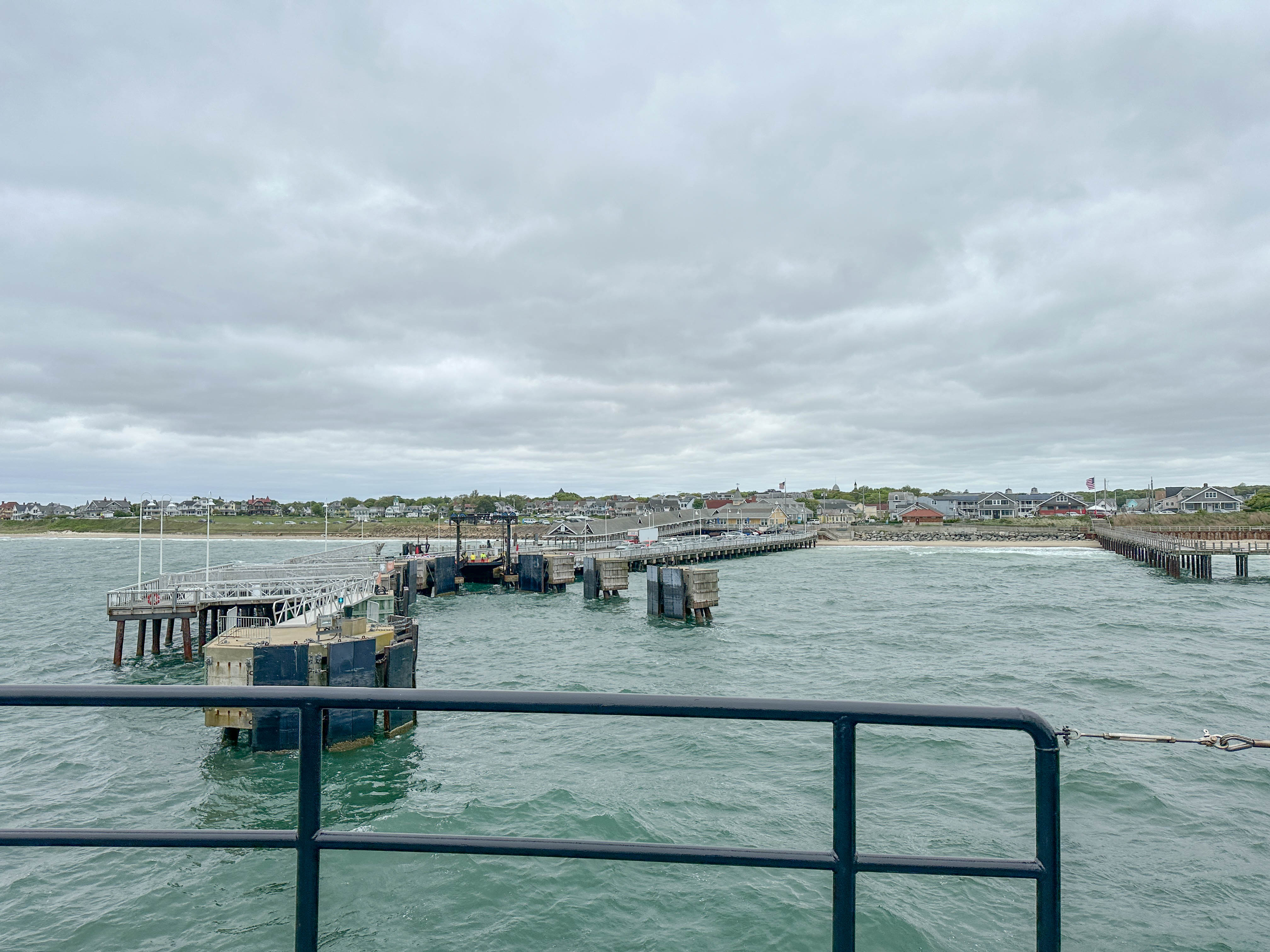
Just south of Cape Cod, Martha’s Vineyard is a favorite summer escape. Reachable by ferry, the island has charming towns, scenic lighthouses, and beaches with soft sand. Rent bikes to explore or take a bus tour to see places like Aquinnah Cliffs and Edgartown.