Experience Seven Global Climates Across California in Seven Unforgettable Days
 Imagine gathering your gear for an international expedition across four continents, only to realize you never need to clear customs or leave the state line. That is the magic my family and I discovered on our many trips through the Golden State.
California contains an unbelievable concentration of global weather systems. You can stand on a frozen alpine peak in the morning, cross a scorched desert valley by afternoon, and wake up the next day beneath a misty rainforest canopy.
Gather around, because I want to walk you through how you can experience the world's most iconic climates in a single week.
The Alpine Frontier: High Sierra and Mammoth Lakes
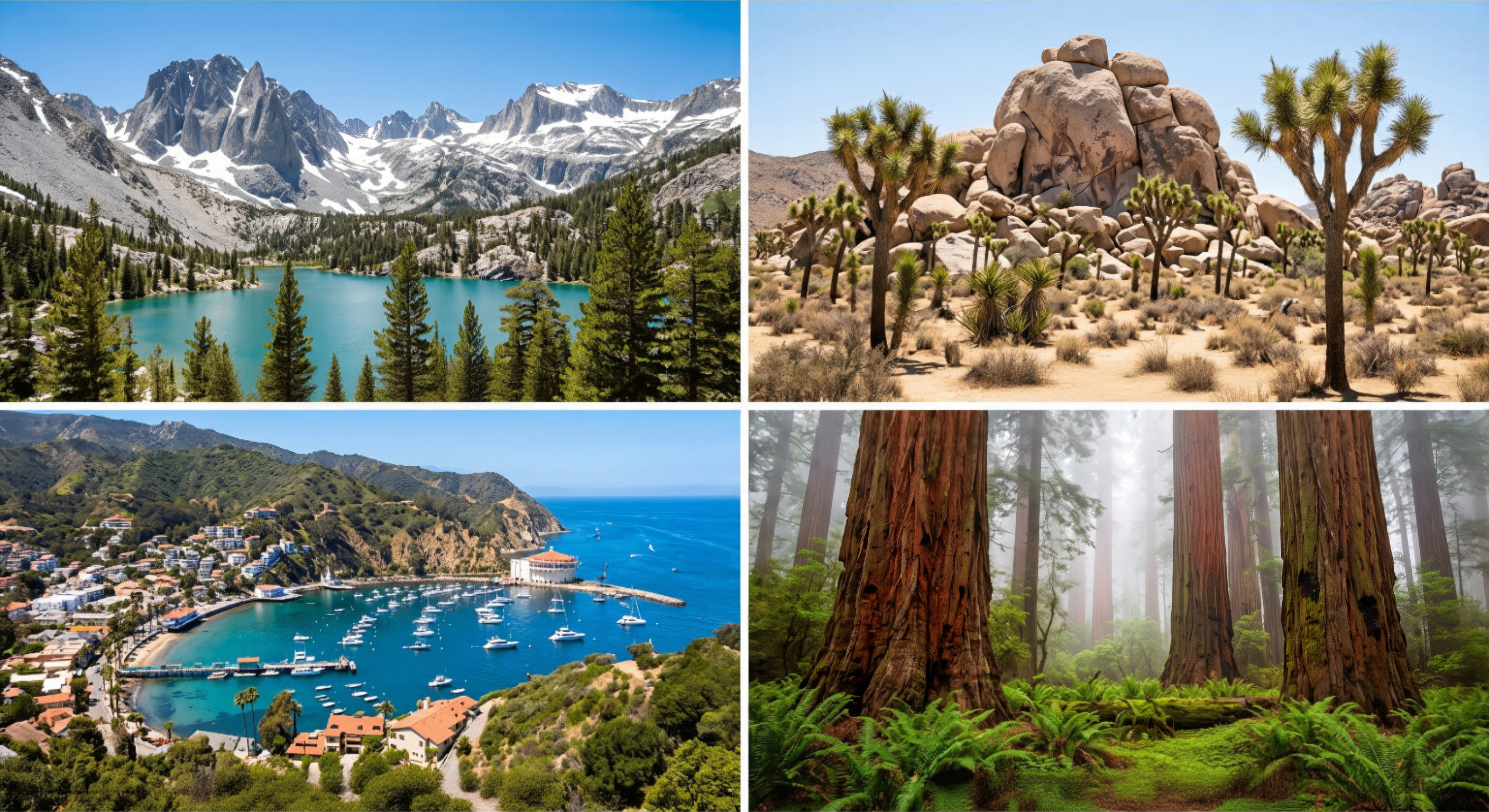
 When you step out of your vehicle at Mammoth Lakes, the sudden shift in altitude hits your chest with crisp, pine-scented clarity. Sitting well above 7,800 feet in the High Sierra, this landscape mirrors the dramatic, jagged grandeur of the European Alps.
Glacial tarns sparkle beneath sheer granite cliffs that hold pockets of snow straight through the summer season.
My family spent a morning hiking the Mammoth Lakes Basin Loop, where the pristine waters of Lake Mary and Lake George reflect the towering summits above.
If you plan to visit, time your trip between July and September for clear mountain trails, or head up between December and April if you want world-class snow. The high-altitude sun is surprisingly intense, so make sure to pack sturdy ankle-support hiking boots, layered fleece jackets, and generous sunscreen.
Interesting Fact: The Mammoth Lakes region rests along the edge of the Long Valley Caldera, a massive volcanic depression formed approximately 760,000 years ago. Geothermal activity still feeds natural thermal springs throughout the area today.
Traveler Tip: Hydrate constantly when visiting Mammoth Lakes. Sitting above 7,800 feet elevation accelerates dehydration and increases UV exposure significantly.
High-Alpine Dining and Regional Alternatives
After a long day on the trail, head straight to the Lakefront Restaurant at Tamarack Lodge. You must try their pan-seared elk loin paired with a seasonal berry reduction, or the French-Californian rack of lamb. Make your reservation at least three weeks in advance and ask for a window table facing Twin Lakes right as the evening sun hits the granite peaks.
User Review (TripAdvisor Traveler Sarah M.): "The pan-seared elk at Tamarack Lodge was unforgettable, especially with the evening sunset views over Twin Lakes."
If you live in Southern California, you can experience an alpine climate in winter at Mount San Jacinto above Palm Springs. The best way to get there is on a dramatic Aerial Tramway ride.
Up north, Mount Shasta offers another stunning example of this alpine climate.
The Arid Expanse: The Mojave and Sonoran Deserts

Driving south down the eastern spine of the mountains brings a breathtaking climatic shift as pine forests vanish into the vast silence of the Mojave Desert.
The landscape immediately evokes the stark, sun-baked beauty of the Sahara Desert. Giant granite boulders rise out of the valley floor alongside twisted Joshua trees, creating an almost otherworldly atmosphere under a brilliant blue sky.
Exploring Joshua Tree National Park requires respect for the elements, especially where the Mojave meets the lower Sonoran Desert. The midday heat bakes the earth, but as night falls, the desert cools rapidly and reveals one of the clearest views of the Milky Way you will ever witness.
Plan your desert exploration between October and April to avoid extreme summer temperatures. You should carry at least one gallon of water per person each day, along with broad-brimmed sun hats and electrolyte packets in your daypack.
The Mojave Desert is the primary native habitat of the Joshua tree (Yucca brevifolia), a unique species that can live for hundreds of years in arid climates.
Traveler Tip: Always download offline maps before entering Joshua Tree National Park or Anza-Borrego, because cellular coverage drops completely across wide stretches of desert.
Desert Dining and Southwestern Gems
 When dinner time rolls around, drive over to Pappy and Harriet's Pioneertown Palace. Order a plate of their mesquite slow-cooked pork ribs alongside a steaming bowl of signature house-made chili. If you visit on a late Thursday afternoon, you can beat the massive weekend crowds, catch live music, and step outside just in time to watch the twilight turn the sky deep violet.
User Review (Yelp Reviewer Mark T.): "Pappy and Harriet's serves amazing mesquite ribs with incredible live music in an authentic desert outpost setting."
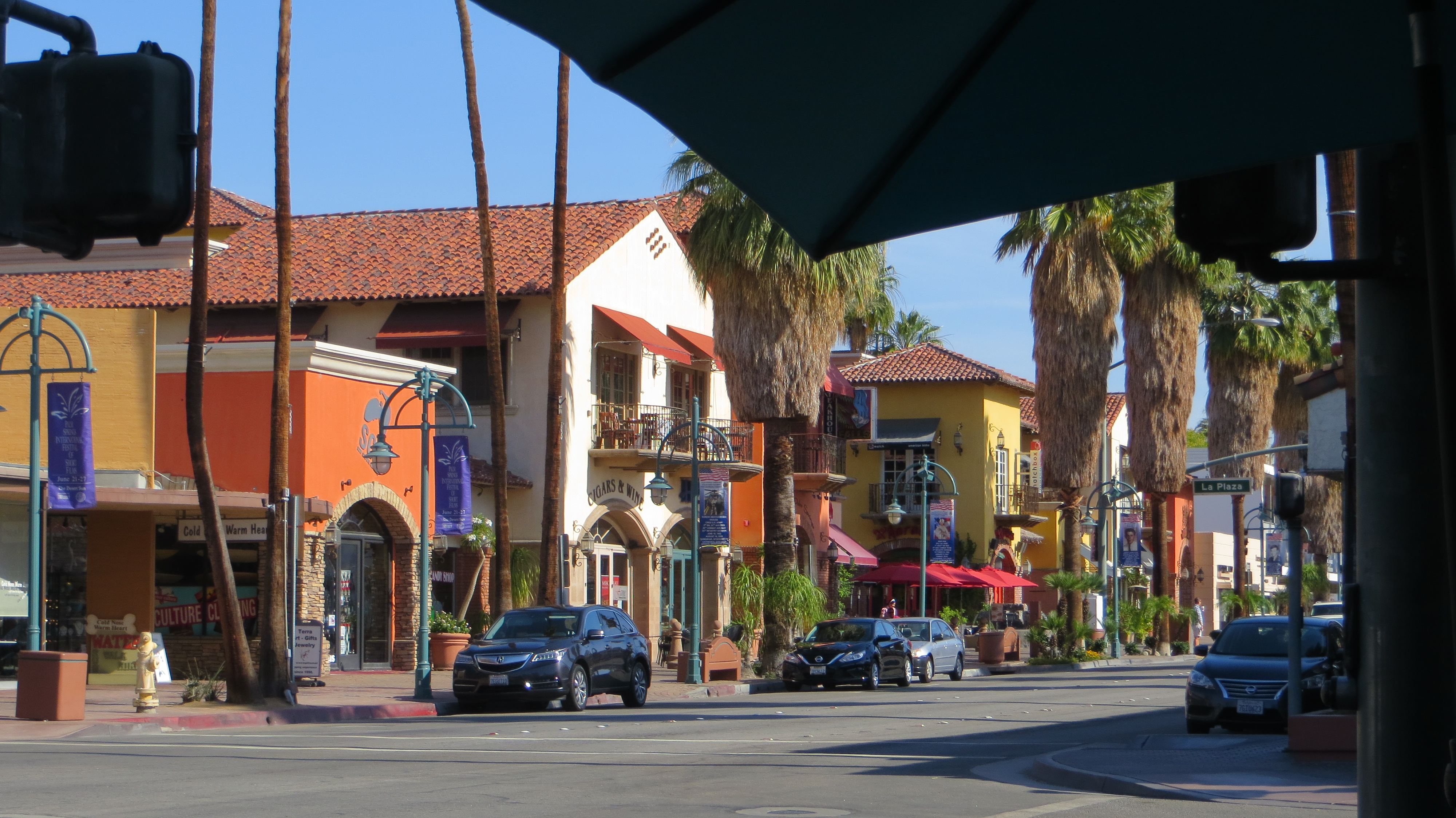
As you explore the Sonoran Desert, consider a visit to Anza-Borrego Desert State Park and Palm Springs. Anza-Borrego is a harsh, beautiful landscape where adventurous travelers go for four-wheel-drive fun and backcountry camping. In Palm Springs, you get to enjoy luxury resorts, downtown shops, and fine dining.
The Riviera Escape: Santa Catalina Island and The Coast
 Leaving the desert heat behind and heading west toward the Pacific Ocean brings you into a sun-drenched coastal haven.
Southern California enjoys a classic Mediterranean microclimate, offering the exact same sea-breeze warmth and whitewashed coastal charm you find along the islands of Greece.
Santa Barbara is often called the California Riviera for its lush hills, beautiful beaches, and Spanish-style architecture.
Taking the ferry across the channel to Santa Catalina Island feels like stepping onto an Aegean getaway. The town of Avalon features terracotta roofs clinging to steep green hillsides that frame a crescent-shaped harbor filled with swaying yachts and crystal-clear turquoise water.
May through October offers the best conditions for warm breezes and ocean swimming. Pack your favorite polarized sunglasses, lightweight linen shirts, and comfortable boat shoes for strolling along the waterfront.
Interesting Fact: Santa Catalina Island's town of Avalon experiences a Mediterranean climate with extraordinarily mild temperatures year-round, averaging between 65 and 75 degrees Fahrenheit.
Traveler Tip: Reserve ferry tickets on the Catalina Express several weeks in advance during summer months to secure your preferred departure times.
Coastal Dining and Mediterranean Alternatives
For an unforgettable meal, grab a seat at Bluewater Avalon right along the water. Order the pan-seared local white seabass accompanied by the island's famous Buffalo Milk cocktail. My favorite insider trick is to claim an outdoor bayfront table around four in the afternoon. You skip the dinner rush entirely and get a front-row view of the warm afternoon light striking the historic Casino building across the harbor.
User Review (Google Local Guide Elena R.): "Sitting outside at Bluewater Avalon around 4 PM with fresh local white seabass and a Buffalo Milk cocktail was pure paradise."
,_Great_Otway_National_Park,_Californian_Redwoods_--_2019_--_1404.jpg)
The Misty Rainforest: Northern Coastal Redwoods
Heading north past the San Francisco Bay transforms the air into a cool, moisture-rich shroud. In the far northern corner of the state, you enter a coastal marine forest climate that feels remarkably like the rain-soaked wilderness of New Zealand.
Massive redwood trees rise up out of thick carpets of sword ferns, creating a primeval sanctuary shrouded in ocean fog.
Walking through Redwood National and State Parks puts human scale into perspective. These living giants tower over three hundred feet tall, capturing ocean mist high in their canopy and dripping water down onto moss-covered trunks below.
While the parks are enchanting year-round, visiting between June and September offers the best chance to see dramatic beams of sunlight breaking through the morning fog. Make sure to wear a reliable waterproof rain shell, moisture-wicking wool socks, and non-slip hiking shoes to navigate the damp forest floor safely.
Interesting Fact: Coast Redwoods (Sequoia sempervirens) depend heavily on coastal fog, obtaining up to 40 percent of their annual moisture directly from fog drip.
Traveler Tip: Wear layered waterproof outerwear and sturdy non-slip footwear, because coastal redwood trails remain damp and slick throughout the day.
Forest Dining and Nearby Redwood Sanctuary Options
When you finish hiking, stop by the Trinidad Bay Eatery in the nearby coastal town of Trinidad. Order their incredible Pacific clam chowder served hot inside a toasted sourdough bread bowl. Take your chowder to go, drive two minutes up to the bluffs overlooking Trinidad Head, and enjoy your warm meal while scanning the ocean waves for migrating grey whales.
User Review (AllTrails Hiker David K.): "Enjoying sourdough clam chowder from Trinidad Bay Eatery while watching the ocean waves off Trinidad Head is a must-do coastal experience."
You do not need to drive all the way north to experience these misty forests. Closer to San Francisco, you can visit Muir Woods National Monument or head to Henry Cowell Redwoods State Park and The Forest of Nisene Marks State Park near Santa Cruz.
Pack your bags, gather your favorite travel companions, and start planning your route today. The entire world is waiting for you right here inside California!